
What the worst years of my career taught me about living longer
March 2020. New York City. The epicenter.
I was working at one of the top hospitals in the country when the world quietly stopped making sense. Within weeks, every non-emergency health service pivoted to remote. The building that once hummed with elective procedures and routine check-ups went silent in those wings. But the COVID floors? They were anything but quiet.
When the call went out for volunteers to be deployed to the front lines, I didn’t hesitate. That’s not bravado. It’s just who I am. I became a nurse practitioner because I wanted to help people, and this was the moment that actually meant something.
I remember my first shift like it was yesterday. I stepped out of my Uber, took one step toward the hospital entrance, and my glasses snapped right off my face. An omen, maybe. I walked in half-blind, which, looking back, felt fitting. None of us could really see what was coming.
The training we received was a barely edited PowerPoint. Not because the institution failed us. It was because nobody knew anything yet. The protocols would change between shifts. Literally. You’d go home thinking you understood the treatment approach, come back eight hours later, and the entire framework had been revised. The medicine was evolving in real time, which I’d later recognize as something I now live inside every single day in longevity and hormone medicine: the science doesn’t stop moving, and if you’re not moving with it, you’re already behind.
The N95 respirator became my face for twelve-hour stretches. It left my skin raw and broken out in a way that no amount of clinical skincare knowledge could fix. You just wore it. You adapted. The physical toll was real and visible, and we carried it without much ceremony because there wasn’t time for ceremony (I always found the 7pm cheers for front line providers coming from the buildings around me rather ironic because our shifts typically do not end until 7:30).
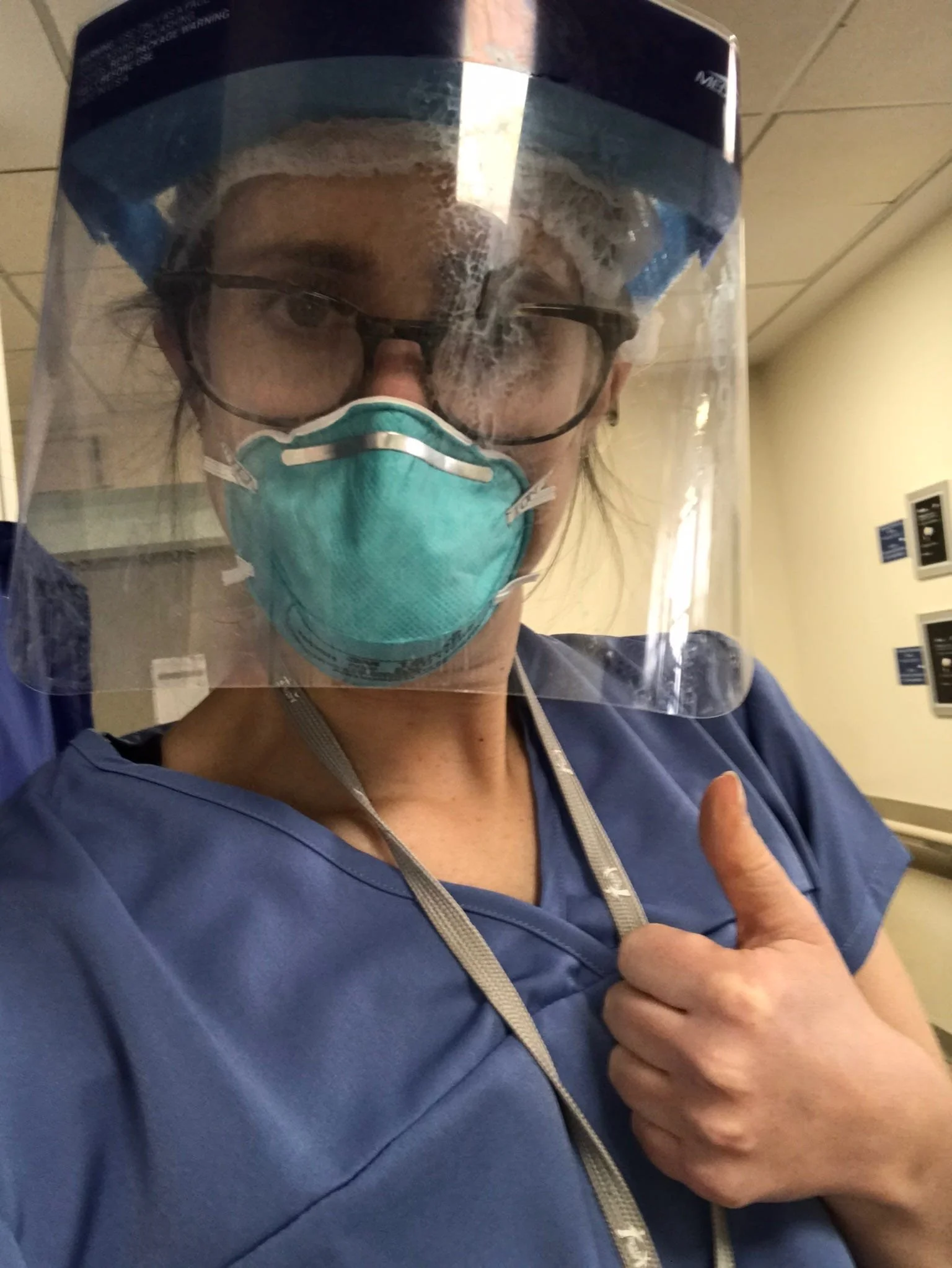
The first patient I managed was 85 years old. He died.
I have sat with that many times over the past five years. The weight of it doesn’t really go away. But it did clarify something for me with a sharpness I had never felt before. I did not want to spend my career reacting to disease that had already won. I wanted to be part of a system that made people so resilient, so fortified, that if something like this ever happened again, we would not be so vulnerable.
That realization is exactly why I do what I do now.
The patients who struggled most in 2020 were not simply unlucky. They were metabolically unwell, hormonally depleted, inflamed, and under-resourced at a cellular level. Their bodies had been running on empty for years, managing chronic conditions that conventional medicine had been monitoring rather than reversing. When a novel virus hit them, there was no reserve to draw from.
That is not a criticism of any individual or institution. It is a systemic observation that changed the entire direction of my career.
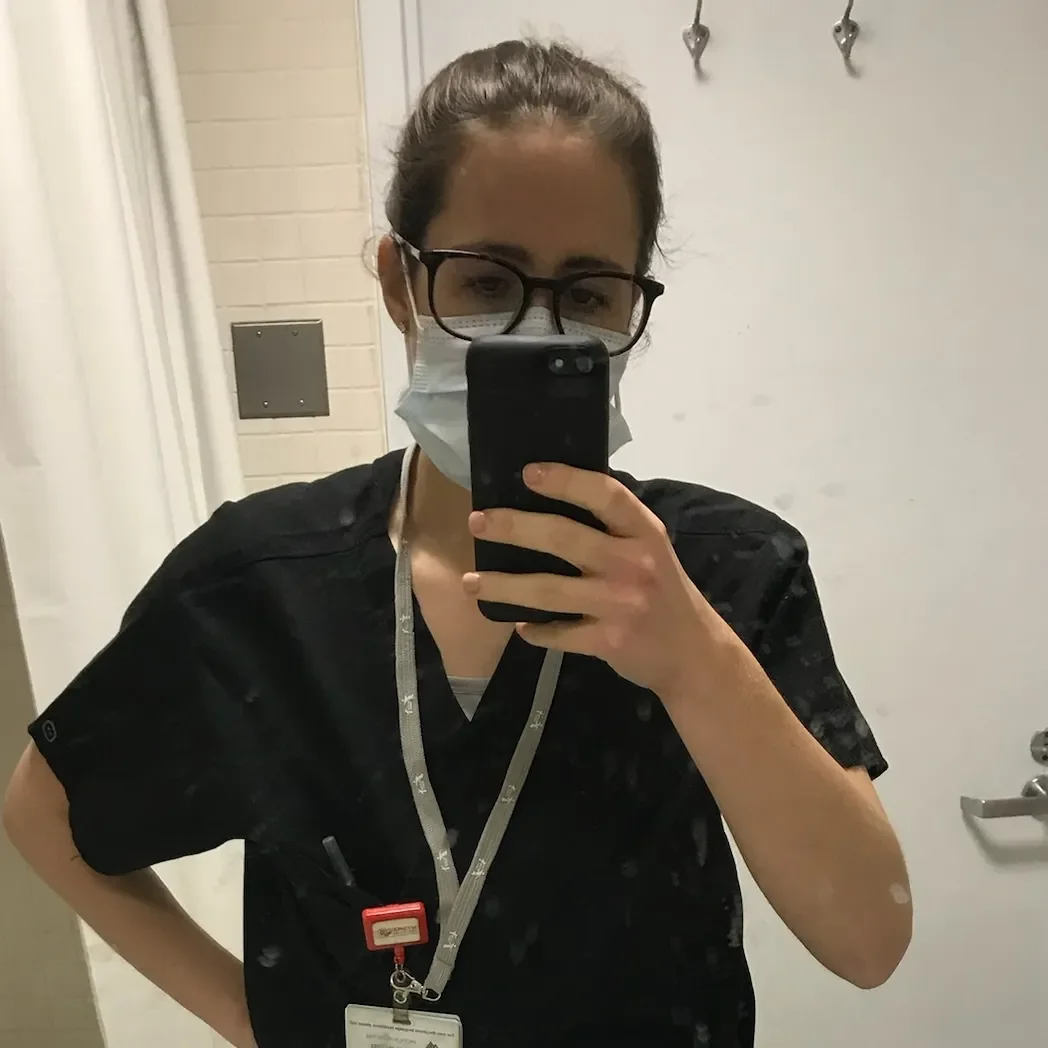
What I practice now, and what I want for every single person reading this, is the opposite of reactive medicine. It is the relentless, proactive pursuit of being the healthiest, most resilient version of yourself, not because a diagnosis forces your hand, but because you deserve to feel extraordinary in your body every day.
This means hormones that are actually optimized, not just “within range.” It means inflammation markers that we actually look at and address. It means metabolic health that goes beyond a basic panel. It means peptides, and progressive protocols, and understanding that the science of how we age is one of the most exciting and rapidly evolving fields in medicine. Just like those COVID protocols that shifted between shifts, what we know about hormones, metabolism, and cellular health keeps advancing. I track it so you don’t have to guess.
And for women specifically: you have been under-studied, under-dosed, and under-believed for too long. The hormonal infrastructure that governs your energy, your mood, your cognition, your weight, your libido, your sleep, and your long-term disease risk is not a mystery to be endured. It is a system to be understood and supported.
Helping the hospital floor hasn’t stopped mattering. But I saw, up close, what the end of the road looks like when prevention was never the priority. I decided I wanted to work at the beginning of the story instead.
You are not meant to just survive. You are meant to feel good, move well, think clearly, and show up fully in the life you are actually living.
I went into medicine because I wanted to help people. That has never changed. What changed is my understanding of what help really looks like (and thank goodness I chose the nursing path because it frankly to see the whole person, not just the chart. That instinct is exactly what longevity medicine requires).
This is it. This is the work.