
She Turns 3 Today. And All I Can Think About Is How Hard It Still Is to Be a Woman.
Today my daughter is three years oldYesterday she woke up asking for sprinkles on everything and saying today she will become a “big girl.” And I watched her little face light up with zero awareness of what this body she lives in is eventually going to put her through, and I felt this wave of something I can only describe as fierce, protective love mixed with a very specific kind of grief.
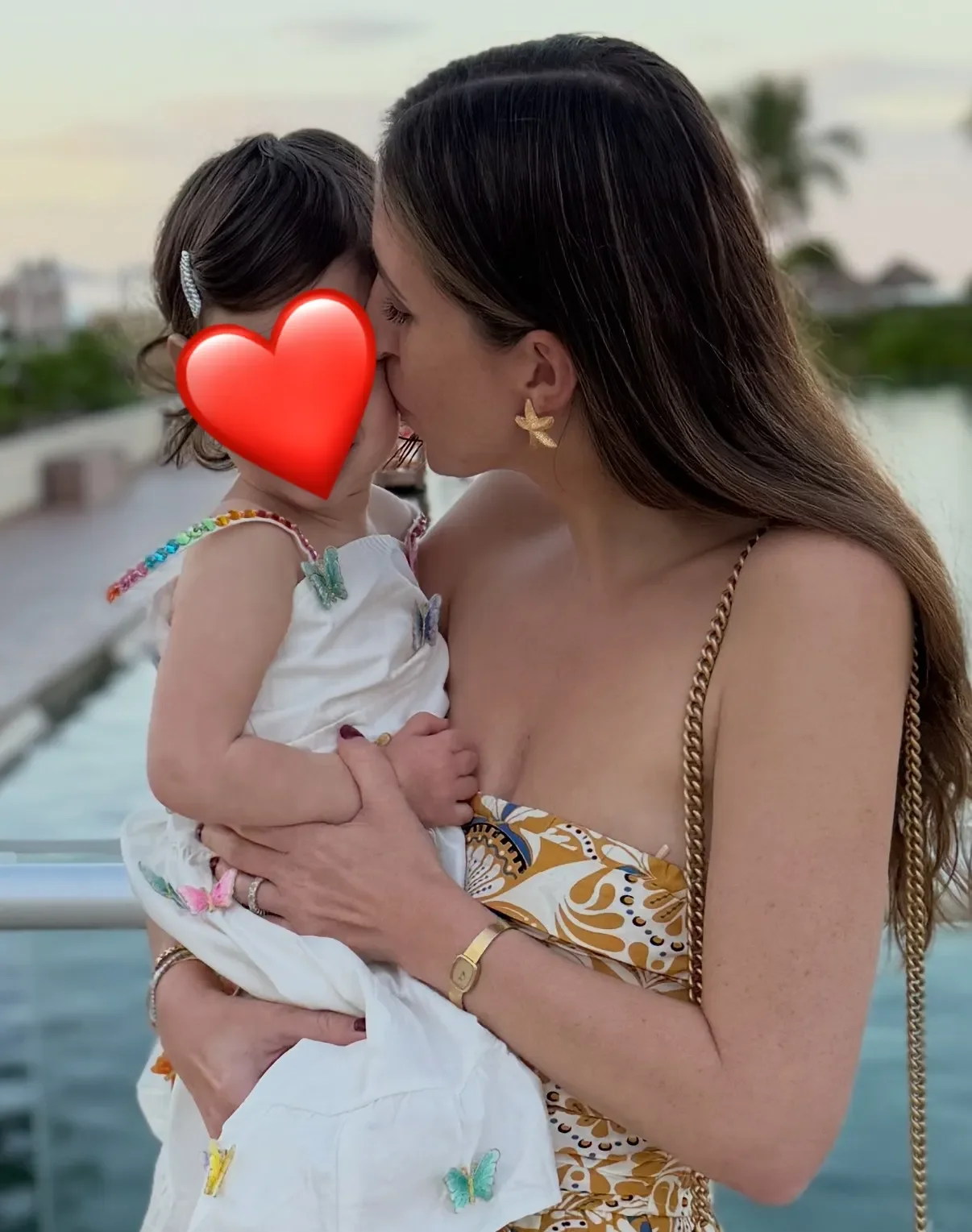
Because I know what’s coming. And I know how little anyone will prepare her for it. Anyone, that is, except me.
She is lucky that her mom happens to be a hormone expert. But most little girls growing up right now do not have that, and that thought keeps me up at night.
At some point, her hormones will shift. Slowly at first, then all at once. She will get her period, possibly earlier than anyone expects, and no one will tell her that this is something to remember later when she needs to be screened for breast cancer. Those irregular cycles are her body sending signals worth paying attention to, not just “normal teenage stuff” to push through and that her acne or chin hair may be connected to her ovaries. She might gain weight in ways that confuse her and get told to eat less and exercise more, when the real answer lives in her hormonal profile. She might have cramps so debilitating she misses school, and her health care provider will hand her ibuprofen and a heating pad and call it a day.
She might spend years white-knuckling through PMS or PMDD, convinced she is too emotional, too sensitive, too much, never once being told that what she is experiencing is a real, diagnosable, treatable condition.
She will likely think about having children someday, or not, and either way her fertility will be shaped by hormonal patterns that started decades before she ever steps foot in an OB’s office. If she does have a baby, she may hit a postpartum period that no one fully warned her about, where her hormones crater and the world tells her to just be grateful.
And then, somewhere in her 30s or 40s, perimenopause will start quietly rearranging everything while the people around her suggest magnesium and better sleep hygiene.
This is the hormonal arc of a woman’s life. And we barely talk about it until something goes wrong. Or worse, only after menopause.
That is exactly why I started this Substack.
Not because I want to scare anyone, especially young girls like my own. But because I think about all the things I wish I and my patients had known earlier. All the things my mom didn’t know to tell me because no one told her either. What to track. What to question. When to push back on a provider who dismisses you. What “normal” actually means versus what we have simply been taught to tolerate.
We spend so much energy talking about hormones and longevity in midlife, as if that is when the story starts. It does not. It starts in childhood. It starts now.
Optimizing women’s hormonal health is not a middle-age conversation. It is a lifelong one. And it is time we start having it from the beginning.
Happy birthday, my love. I’m building this for you.